01
Healthcare Analytics
Patient-risk identification, preventive cost reduction, demand forecasting, and hospital resource optimization.
My work demonstrates how predictive analytics, machine learning, and business intelligence can help organizations identify risk earlier, forecast future outcomes, allocate resources more effectively, and make stronger financial and operational decisions.

Data science becomes valuable when it is connected to a decision, a stakeholder, and a measurable outcome.
Patient-risk identification, preventive cost reduction, demand forecasting, and hospital resource optimization.
Financial modeling, SEC filing text analysis, market-signal evaluation, forecasting, and evidence-based investment interpretation.
Classification, regression, forecasting, ranking, validation, explainability, and optimization across complex organizational problems.
The charts below illustrate model performance, feature influence, forecasting results, and how analytical workflows connect to decisions.
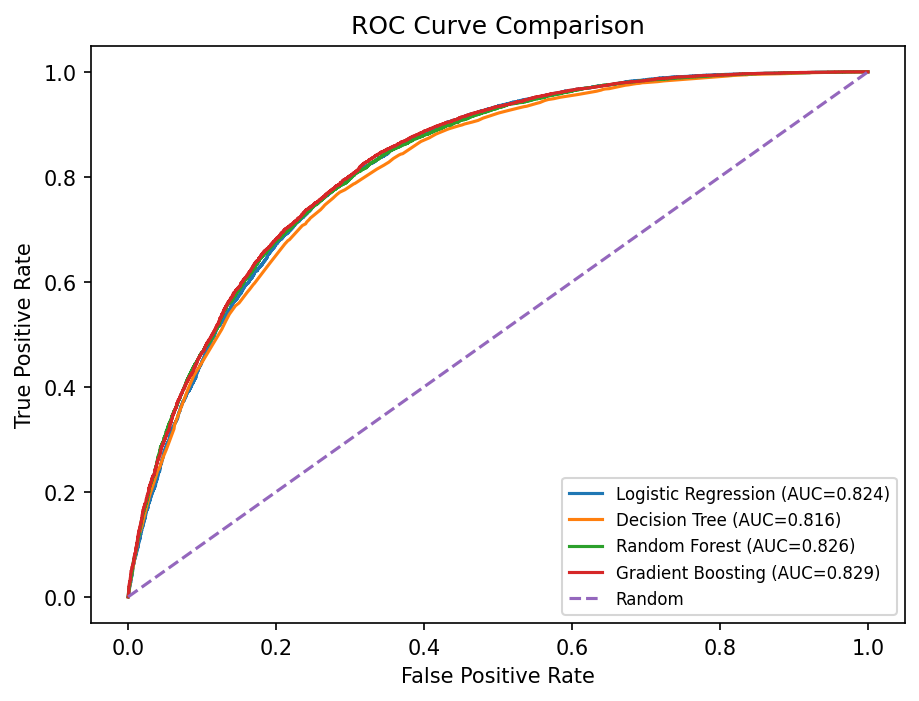
Model comparison helps determine which approach best balances sensitivity, precision, and practical healthcare value.
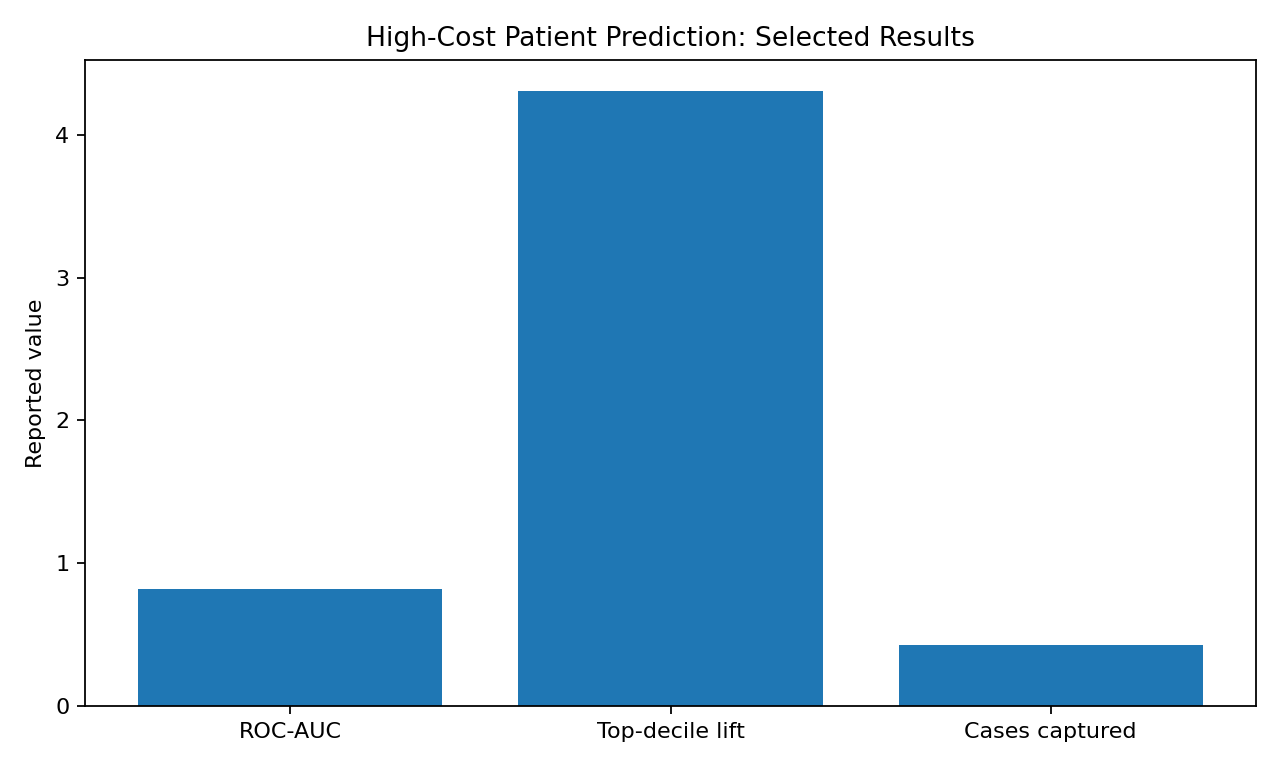
Ranking performance shows how predictive analytics can concentrate preventive resources among the highest-risk patients.
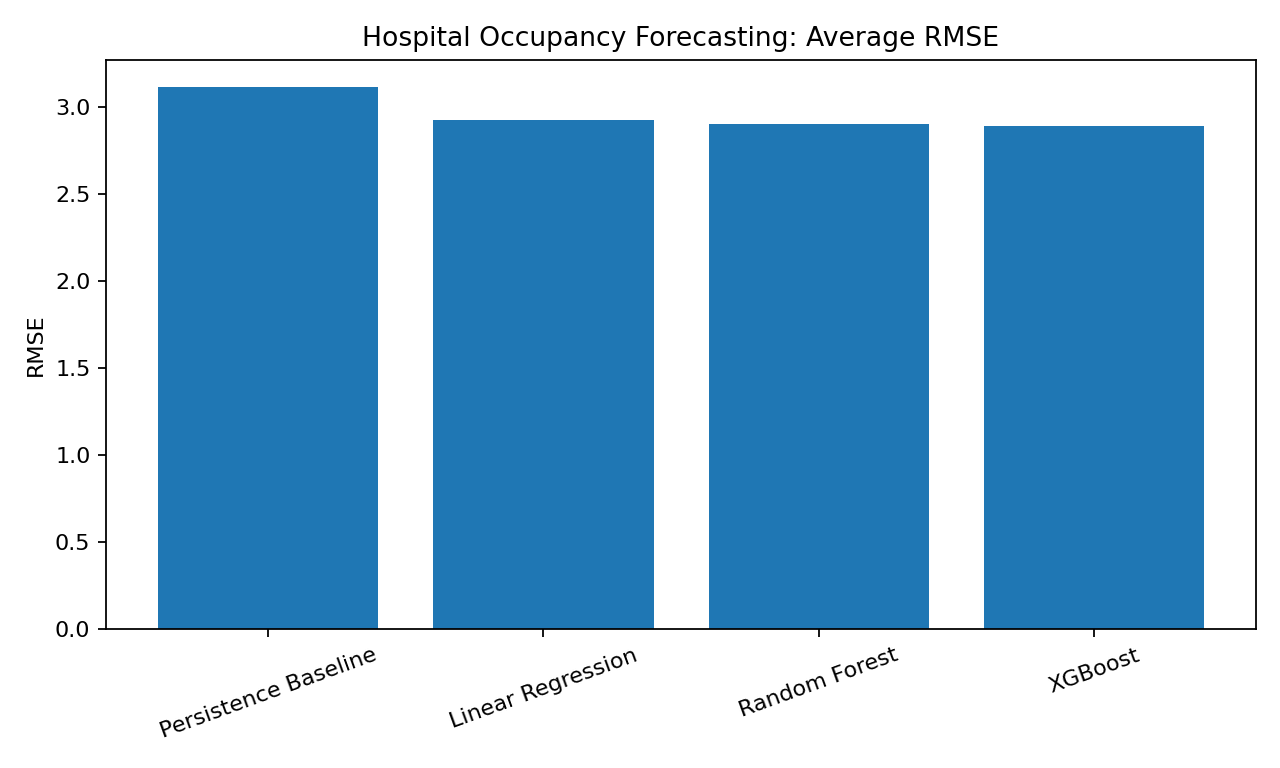
Comparing forecasting methods supports a more defensible choice for staffing and capacity planning.
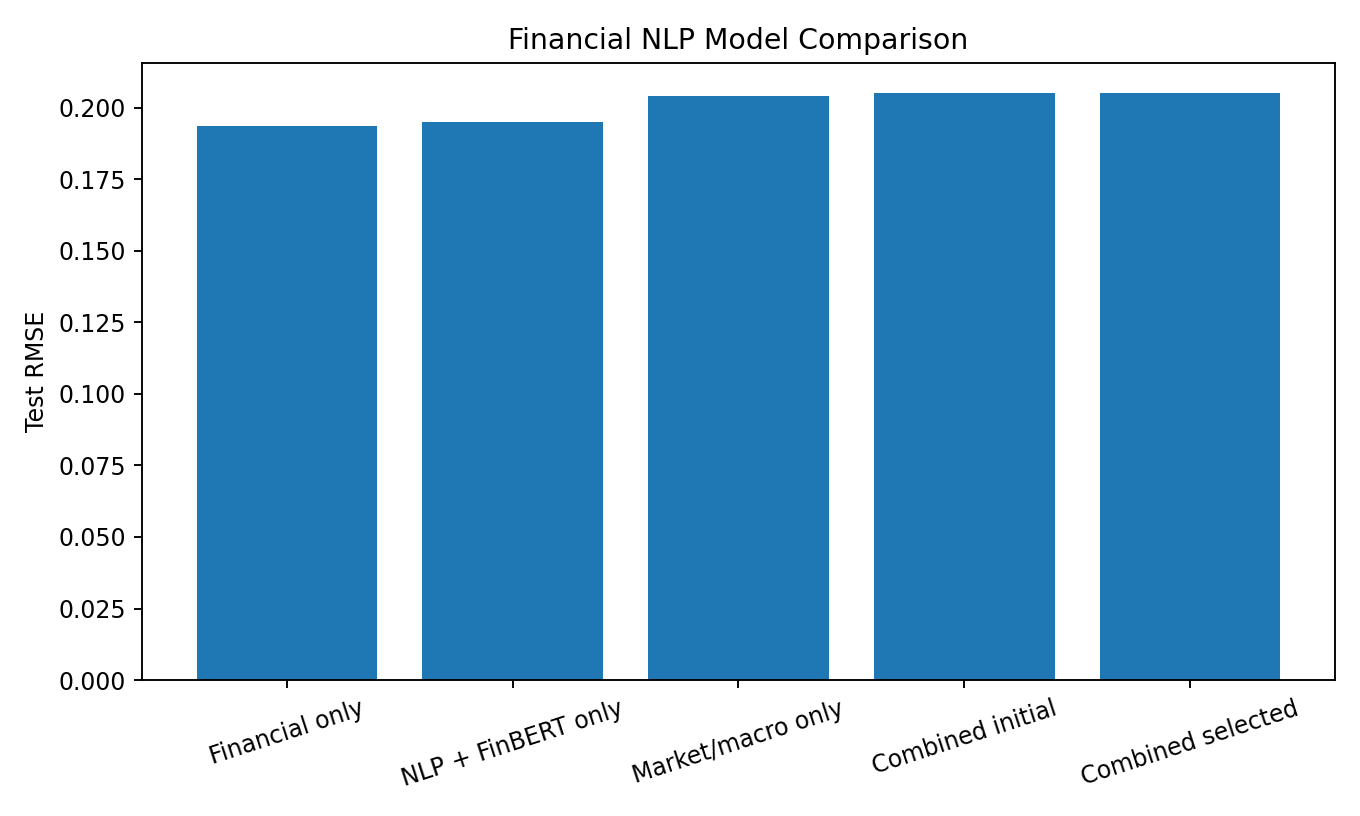
Financial-only, text-only, and combined models test whether SEC filing language adds useful predictive information.
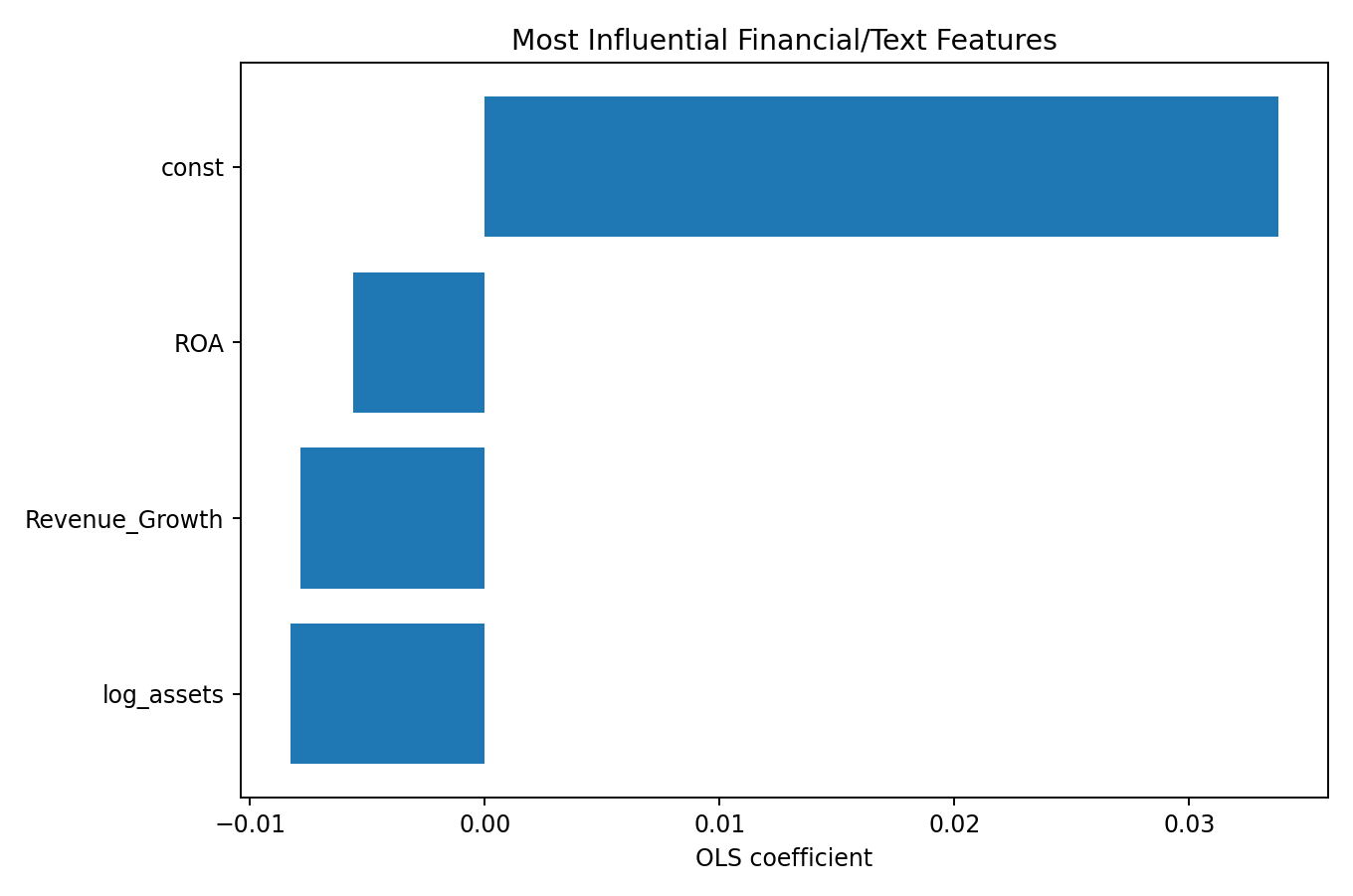
Coefficient analysis helps explain which numerical and textual variables contribute most strongly to the model.
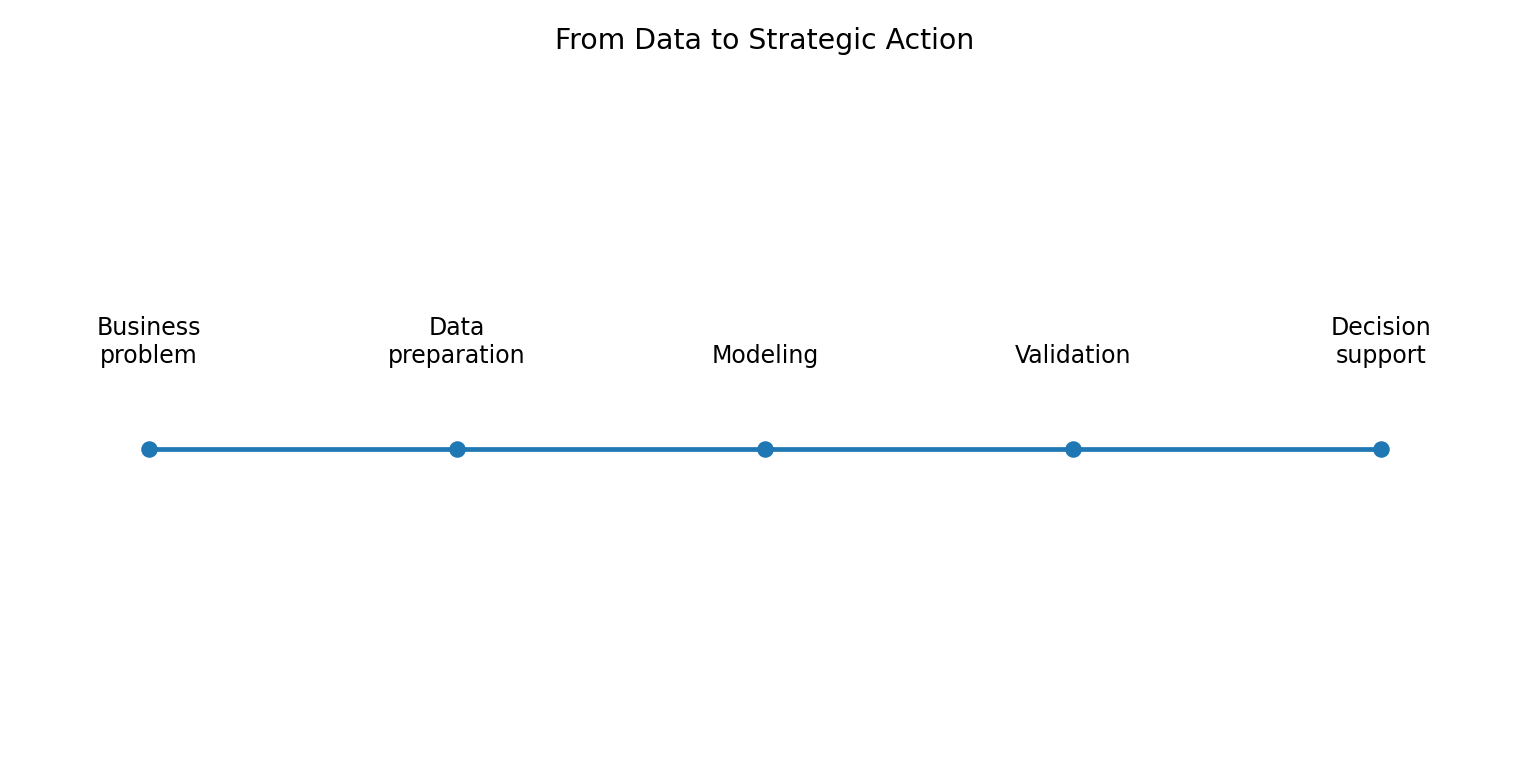
Every project follows a disciplined path from business understanding to validation and strategic decision support.
Risk prediction, cost prevention, demand forecasting, patient segmentation, and resource allocation.
Market signals, risk analysis, forecasting, fraud detection, credit scoring, and investment research.
Capacity planning, staffing, scheduling, inventory, maintenance, and process optimization.
Dashboards, KPI monitoring, trend analysis, executive reporting, and strategic planning.
Customer segmentation, churn prediction, campaign measurement, and lifetime-value analysis.
Anomaly detection, scenario analysis, model governance, and evidence-based oversight.
Resource targeting, program evaluation, demand forecasting, and community-level decision support.
Portfolio performance, occupancy, pricing, operating trends, and asset-management insights.
The statements below summarize recurring academic and project feedback themes and are not presented as direct endorsements by named individuals.
Strong command of the complete analytics process, including data preparation, model comparison, validation, and actionable recommendations.
Clear attention to meaningful metrics, model limitations, and the practical consequences of analytical decisions.
Professional communication that makes complex analytical findings understandable to business and healthcare decision-makers.
Whether the challenge involves healthcare, finance, operations, risk, or business intelligence, the analytical process remains the same: understand the problem, build evidence, validate the model, and translate results into action.